IREADA

Author name: BILLU

Article

Blueprints to Algorithms

From Blueprints to Algorithms: How Technology Is Redesigning Real Estate The real estate industry is witnessing a fundamental shift—from traditional, manual planning methods to intelligent, technology-driven design and execution. What once relied heavily on paper blueprints, intuition, and experience is now increasingly powered by algorithms, data, and artificial intelligence. This transformation is redefining how real estate projects are conceived, designed, and delivered. AI-Based Floor Planning and Space Optimization Artificial intelligence is revolutionizing the way spaces are designed. AI-powered tools analyze factors such as usability, natural light, airflow, and occupant behavior to create optimized floor plans. These intelligent systems help architects and developers maximize space efficiency while enhancing comfort and functionality. By simulating multiple design options within minutes, AI enables better decision-making at early stages—reducing design errors and minimizing the need for costly revisions later. The result is smarter layouts that align with modern living and working requirements. Digital Twins and 3D Modeling Digital twin technology allows developers to create a virtual replica of a building before it is constructed. Through advanced 3D modeling, every element of a project—structure, materials, systems, and operations—can be visualized, tested, and refined in a digital environment. This technology enables stakeholders to identify design flaws, assess performance, and simulate real-world conditions in advance. Digital twins not only improve planning accuracy but also support long-term asset management by providing real-time insights throughout a building’s lifecycle. Smart Construction Planning Technology-driven construction planning is transforming on-site execution. AI and data analytics help forecast timelines, allocate resources efficiently, and monitor progress in real time. Predictive analytics can anticipate potential delays, safety risks, or material shortages—allowing corrective actions before problems escalate. Smart planning tools enhance coordination between architects, engineers, contractors, and developers, ensuring smoother workflows and better control over complex projects. Reducing Cost Overruns and Project Delays One of the most significant benefits of intelligent design and planning is the reduction of cost overruns and delays. By identifying risks early, optimizing workflows, and improving accuracy, technology minimizes unexpected expenses and schedule disruptions. Data-driven insights enable developers to maintain budget discipline while delivering projects on time. This not only improves profitability but also strengthens trust among investors, buyers, and industry partners. Conclusion: Designing the Future with Intelligence The transition from blueprints to algorithms represents more than a technological upgrade—it marks a new way of thinking about real estate development. By embracing AI, digital modeling, and smart planning, the industry is moving toward greater efficiency, transparency, and sustainability. As technology continues to evolve, real estate professionals who adapt to intelligent design tools will lead the future—building smarter spaces that meet the demands of a rapidly changing world.


News

Redefining the Future of Property – IREADA

The Shift from Traditional Practices to Digital Intelligence Technology has introduced efficiency, transparency, and scalability into real estate operations. Digital platforms have simplified property discovery, virtual tours have enhanced buyer experience, and data analytics has enabled informed decision-making. From land acquisition to project delivery, technology now plays a critical role at every stage of the real estate lifecycle. Advanced tools such as artificial intelligence, cloud computing, and automation are helping developers and agents understand market demand, optimize pricing strategies, and reduce operational risks. This shift has empowered both industry professionals and consumers with faster access to reliable information. Innovation in Development and Construction Technology is also transforming how real estate projects are designed and executed. Smart planning software, digital project management tools, and modern construction technologies have improved accuracy, safety, and timelines. Sustainable building solutions, energy-efficient systems, and smart infrastructure are becoming integral to new developments, aligning real estate growth with environmental responsibility. The integration of technology ensures better quality control, cost efficiency, and compliance with regulatory standards—resulting in long-term value for developers and end users alike. Enhancing Trust, Transparency, and Customer Experience One of the most significant impacts of technology in real estate is increased transparency. Digital documentation, online verification systems, and data-driven reporting have strengthened trust between buyers, sellers, and developers. Customers now expect seamless communication, clear processes, and personalized solutions—expectations that technology helps fulfill effectively. By improving accessibility and reducing information gaps, technology has elevated professionalism across the real estate ecosystem. The Road Ahead: A Unified Future of Tech and Real Estate The future of real estate lies in its ability to embrace technological innovation while preserving the core values of trust, integrity, and human connection. As technology continues to evolve, real estate professionals who adapt and innovate will lead the industry forward. The transition from tech to real estate is not about replacing people—it is about empowering them. By combining technological intelligence with industry experience, the real estate sector is poised to become more resilient, transparent, and future-ready than ever before.

News

Real Estate Marketing Has Changed: Is Your Strategy Ready for Gen Z?

How younger buyers expect digital-first experiences The demographic landscape of home buying is shifting beneath our feet. For decades, real estate marketing relied on a standard formula: newspaper ads, billboards, cold calls, and scheduled open houses. But as Generation Z (those born between 1997 and 2012) enters the rental and housing market, that formula isn’t just outdated—it is invisible to them. At IREADA, we have observed that Gen Z is the first truly “digital-native” generation. They have never known a world without the internet. For real estate professionals, this means that a “digital-first” strategy is no longer an optional add-on; it is the baseline requirement for survival. Here is how real estate marketing has changed and what you need to do to capture the attention of the next generation of homebuyers. 1. The Death of the “Call Me for Details” Era If your marketing strategy relies on forcing a user to call you to find out the price or location of a property, you have already lost the Gen Z buyer. This generation values autonomy and instant gratification. They view phone calls as intrusive and inefficient. They want to consume all the relevant data price, floor plan, HOA fees, and location before they ever speak to a human. The Strategy Shift: 2. Vertical Video is the New Listing Photo Static images are no longer enough. Gen Z has been raised on TikTok, Instagram Reels, and YouTube Shorts. They process information visually and vertically. They don’t just want to see what the kitchen looks like; they want the “vibe” of the home. They expect immersive video tours that feel authentic, not overly produced commercials. The Strategy Shift: 3. Social Proof is Your New Resume Gen Z trusts peers more than brands. Before they book a viewing, they will stalk your digital footprint. They will check your Google Reviews, your Instagram tagged photos, and your LinkedIn. If your social media presence is a ghost town, or if you have zero reviews, you are perceived as risky. They are looking for “social proof” that you are a legitimate, relatable, and trustworthy expert. The Strategy Shift: 4. The “Mobile-Only” Expectation We used to talk about “mobile-friendly” websites. For Gen Z, it is “mobile-only.” If your property listing requires pinching and zooming to read text, or if a virtual tour doesn’t load instantly on a 5G connection, they will bounce. The user experience (UX) of your website must be as seamless as the apps they use daily (Uber, Amazon, Spotify). The Strategy Shift: 5. Authenticity Over Sales Tactics The “Always Be Closing” sales aggression of the 90s and 2000s repels younger buyers. Gen Z has a highly tuned radar for inauthenticity. They dislike being sold to, but they love being helped. They prefer agents who show their personality, admit when a property might not be right for them, and act as consultants rather than gatekeepers. The Strategy Shift: Conclusion Is your strategy ready for Gen Z? If you are still hoarding information, relying on phone calls, and ignoring video, the answer is no. The good news is that adapting to Gen Z doesn’t require a bigger budget; it requires a shift in mindset. It demands transparency, speed, and a willingness to meet these new buyers where they already are. Stay tuned to IREADA for more insights on real estate trends, marketing strategies, and industry updates.

Article

Why Everyone in India Suddenly Wants a ₹1 Crore Home

Why Everyone in India Suddenly Wants a ₹1 Crore Home India’s housing market in 2025 is no longer just about affordable flats or small 2BHKs. The real buzz is around premium homes—and the numbers prove it. According to JLL, 62% of all residential sales in the first half of 2025 were homes priced ₹1 crore and above. That’s a big jump from 51% during the same period in 2024. Another report by Knight Frank confirms the trend, showing that 49% of homes sold in H1 2025 were above ₹1 crore, marking a 17% year-on-year growth in the premium housing segment. So, what’s really going on? Why are more Indians now chasing crorepati homes instead of budget apartments? Delhi-NCR and Bengaluru Lead the Race Among Indian cities, Delhi-NCR saw the sharpest rise in home prices (+17%), while Bengaluru followed closely at +14%. This shows that people in these metros are ready to pay more for bigger spaces, better amenities, and premium lifestyles. From Affordability to Aspiration For years, Indian real estate was driven by affordability. But now, buyers—especially millennials and upper-middle-class families—are looking at homes as a symbol of aspiration, status, and lifestyle. Bigger balconies, modern interiors, private amenities, and premium locations are now “must-haves” instead of luxuries. Why the Shift Towards Premium Homes? The Takeaway India’s real estate is no longer just about owning a house—it’s about owning the right kind of house. Premium and luxury homes are now setting the tone, showing that the market is moving beyond affordability towards aspiration and long-term value. If this trend continues, the next few years may redefine what “homeownership” means for India’s growing middle and upper-middle class. 👉 To stay updated on real estate trends, news, and insights, check out IREADA – Empowering Real Estate Agents, Builders, and Developers to Transform, Innovate, and Lead the Future of Real Estate in India.

News

From Land Deals to Luxury Homes: The 209% Surge in NCR Property Values

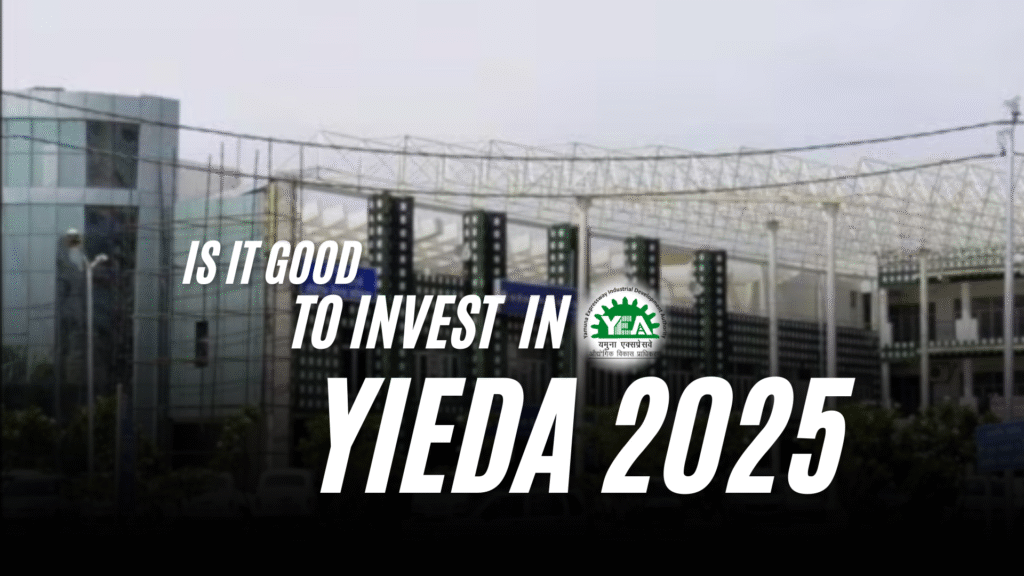
Land Acquisition Boom: How YEIDA and Signature Global Are Fueling NCR’s Real Estate Surge Meta Description: Discover how YEIDA’s strategic land acquisition near Jewar Airport and Signature Global’s ₹450 crore Sohna investment are driving a 209% property value surge in NCR. Explore market trends, infrastructure developments, and investment insights. 🔍 Executive Summary The National Capital Region (NCR) is experiencing an unprecedented real estate transformation, driven by strategic land acquisitions and infrastructure megaprojects. Two key developments—YEIDA’s massive land bank expansion near the upcoming Jewar Airport and Signature Global’s strategic ₹450 crore investment in Sohna—are reshaping the region’s property landscape. This analysis explores how these developments are creating unprecedented growth opportunities while fundamentally altering the dynamics of the NCR real estate market. 📊 Market Context: NCR’s Real Estate Renaissance The National Capital Region’s real estate market is experiencing a remarkable renaissance after several years of relative stagnation. This revival is characterized by: This transformation is particularly evident in the Sohna corridor of Gurugram and the Jewar region of Greater Noida, where coordinated development efforts are creating entirely new urban ecosystems rather than merely expanding existing suburbs. 🏗️ YEIDA’s Strategic Expansion: Building an Aerotropolis from the Ground Up 📍 Scale and Vision of Development The Yamuna Expressway Industrial Development Authority (YEIDA) is executing one of North India’s most ambitious urban development projects centered around the Noida International Airport (Jewar). The authority has acquired over 5,000 acres across strategically located sectors including 4A, 5, 5A, and 11 6. This represents a comprehensive approach to urban planning rather than piecemeal development. 🏙️ Specialized Economic Zones YEIDA is creating purpose-built zones designed to attract specific industries and communities: Project Sector Focus Area Expected Impact Japanese City Sector 5A Industrial & residential ecosystem for Japanese companies High-tech manufacturing hub Korean City Sector 4A Integrated township for Korean businesses Electronics & automotive industries Fintech Hub Sector 11 Financial technology innovation center Digital finance ecosystem Film City Nearby sector Media & entertainment complex Content creation hub 👨‍🌾 Innovative Farmer Compensation Model YEIDA has pioneered a land acquisition model that benefits both developers and original landowners. Instead of simple cash payments, farmers receive: This approach has transformed potential adversaries into stakeholders, ensuring smoother development and creating a more inclusive growth model 6. ⏰ Development Timeline and Synergy The strategic timing of YEIDA’s development ensures that infrastructure, industry, and urban facilities will be operational alongside the airport’s opening in September 2025 7. This synchronous development prevents the common pitfall of transportation infrastructure operating in isolation from supporting urban ecosystems. 🏘️ Signature Global’s Strategic Bet on Sohna 💰 Acquisition Details and Scale Signature Global, India’s fifth-largest real estate developer by pre-sales, has made a decisive move in the Sohna market with a ₹450 crore investment acquiring 33.47 acres through three separate sale deeds 15. This acquisition represents part of the company’s aggressive ₹1,200-1,500 crore land acquisition budget for FY2025-26. 📈 Development Potential and Project Pipeline The newly acquired land offers: 🏆 Corporate Performance and Market Position Signature Global’s investment confidence is backed by strong financials: 🚀 The Sohna Phenomenon: 209% Property Value Surge 📊 Quantifying the Growth Sohna has transitioned from a peripheral market to one of NCR’s fastest-appreciating corridors: 🛣️ Infrastructure Revolution Sohna’s transformation is underpinned by unprecedented connectivity improvements: Infrastructure Project Status Impact on Sohna Delhi-Mumbai Expressway Operational Reduced travel time to South Delhi to 45 minutes Gurugram Metro Extension Under construction Direct connectivity to Cyber City and Udyog Vihar Haryana Orbital Rail Corridor Approved Regional connectivity across NCR Sohna Elevated Road Completed Improved intra-city mobility ⚖️ Market Dynamics and Value Proposition Sohna offers a unique balance of affordability and lifestyle: 📈 Market Outlook: Projected Growth Trajectory 🏗️ YEIDA’s Long-Term Development Vision YEIDA is executing a 25,000-hectare masterplan along the Yamuna Expressway, with development phased across six districts between Greater Noida and Agra 6. The authority’s current initiatives include: 💹 Price Trends and Appreciation Projections The Jewar influence zone has demonstrated consistent appreciation patterns: 🏡 Signature Global’s Market Strategy The company is positioning itself to capture demand across multiple segments: 💡 Investment Implications and Strategic Recommendations 🎯 For Homebuyers 💼 For Investors 🏢 For Developers 🚀 Future Projections: 2025-2030 Outlook 📅 Near-term Catalysts (2025-2026) 📈 Medium-term Development (2027-2028) 🏆 Long-term Transformation (2029-2030) ✅ Conclusion: Two Corridors, One Transformative Vision The parallel development of the Jewar and Sohna corridors represents a fundamental shift in NCR’s urban development paradigm. Rather than the traditional radial expansion from Delhi, we’re witnessing the emergence of multiple growth centers with distinct economic identities. YEIDA’s Jewar development offers a planned city approach with synchronized infrastructure and urban development centered around an international airport. This model provides: Signature Global’s Sohna strategy represents opportunistic investment in an emerging corridor benefiting from infrastructure improvements and spillover demand from central Gurugram. This approach offers: For stakeholders, this dual-path development presents complementary opportunities rather than competing options. Investors and homebuyers can align their choices with specific risk profiles, investment horizons, and lifestyle preferences while participating in NCR’s next growth story. The 209% property value increase in these corridors isn’t merely a statistical phenomenon—it represents the fundamental repricing of real estate based on transformed connectivity, economic potential, and quality of life parameters. As both corridors mature, they’re poised to redefine urban living in the National Capital Region while creating substantial wealth for strategic investors. *Author Bio: This analysis was prepared by our real estate research team combining on-ground expertise with data-driven insights. Our proprietary models track 37+ indicators across NCR’s micro-markets to identify emerging opportunities and trends.* 💬 Question for Readers: Which growth corridor aligns better with your investment strategy—the planned city approach of YEIDA Jewar or the established momentum of Sohna? Share your perspective in the comments below! Categories: Real Estate, Investment, Urban Development, NCR PropertyTags: YEIDA, Signature Global, Jewar Airport, Sohna Real Estate, Land Acquisition, Property Investment, Real Estate Boom, Infrastructure Development

Article

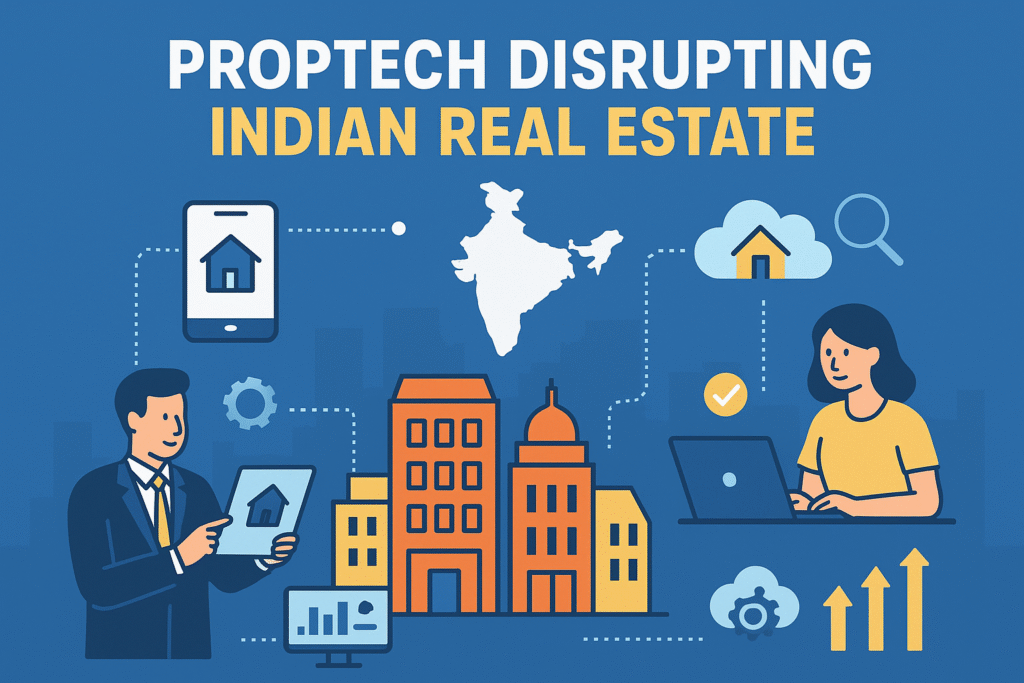
PropTech Disrupts Indian Real Estate

PropTech startups are causing a disruption in Indian real estate, and innovation is increasing. Presented By IREADA The Indian real estate sector, once slow to adopt technology, is undergoing a remarkable transformation. PropTech startups, which are technology-driven businesses redefining how properties are bought, sold, managed, and financed, are at the forefront of this change. Transparency issues, transaction delays, and restricted access to data-driven insights are just a few of the long-standing challenges facing this industry’s innovators. The convergence of rising internet use, smartphone adoption, and investor capital is rapidly fueling PropTech innovation. This shift is moving the industry away from old-fashioned networking and toward efficient, data-driven processes. This change is happening in big cities and smaller towns alike. What’s PropTech? PropTech (Property Technology) uses digital tools like AI, big data, and virtual platforms to improve real estate. It simplifies everything from finding a property and managing it, to completing transactions online. This makes the entire process faster, smarter, and more transparent for everyone. Why PropTech Is Essential Right Now The potential for PropTech is immense in India, whose real estate market is projected to reach $1 trillion by 2030. These include complex laws, fragmented broker networks, and inconsistent property data. Startups in PropTech are stepping in to: Enhance Transparency: Blockchain-backed registries, digital KYC, and verified listings all reduce fraud. Enable Data-Driven Decisions: Accurate price trends, demand forecasts, and investment insights are provided by AI and big data. Simplify Transactions: Online registration, electronic signatures, and digital documentation speed up the process. Empower Brokers & Developers: Platforms allow professionals to expand networks, access new markets, and collaborate more efficiently. Key Innovations Changing the Market Platforms like ZeProp utilize AI matchmaking to connect brokers, developers, and institutional investors, eliminating the need for outdated networking techniques. Blockchain for Property Records – Blockchain ensures tamper-proof land and property ownership records, minimizing disputes. Additionally, PropTech is altering the management and investment of properties: The Way Ahead .Growing investor interest has led to a steady rise in venture funding for Indian PropTech. Venture funding for Indian PropTech has climbed steadily, fueled by growing excitement from investors. Conclusion . Indian real estate is expected to become more open, inclusive, and competitive globally as startups continue to innovate.

Article

Why do customers not trust real estate agents?

         IREADA empowers investors and homeowners to grow   Agent Education and Licensing Similar to insurance agents, many agents have minimal training. The training is sufficient only to pass a licensing test.  Just like a driver’s license, holding a real estate license is no assurance of actual competence.   High Percentage of Women in Real Estate  There are significantly more female agents in this industry than in most other sectors. Reasons for this include:  flexibility in scheduling (other than “floor hours”). Attractive part-time opportunity for women seeking:  Minimal training requirements.  Low cash investment to enter.  There is little or no penalty for leaving. an opportunity to interact with others. (Note: Before accusations of chauvinism—I HAVE BEEN in the real estate biz and am reporting what I’ve seen.  There are top female performers, many of whom are brokers with their own shops.  This situation exists due to historical social barriers limiting women’s access to more lucrative opportunities until recently.)   Distrust in Female Agents Male customers are the most sceptical. A erroneous belief that women are inherently inferior in: capacity for thinking. aggressive client advocacy. Despite the fact that this is absurd, a significant number of men maintain these outmoded beliefs (many of whom also struggle with reading comprehension).     Real Estate’s Complex Legal Issues Deals frequently require navigating: Disputes over property rights and land. Problems with mineral rights. Pending eminent domain actions.  Current and proposed zoning changes.  all the while feeling pressure to complete transactions. Connect with IREADA 🌐 www.ireada.net📧 ireada.delhi@gmail.com📞 98100-56162

Scroll to Top