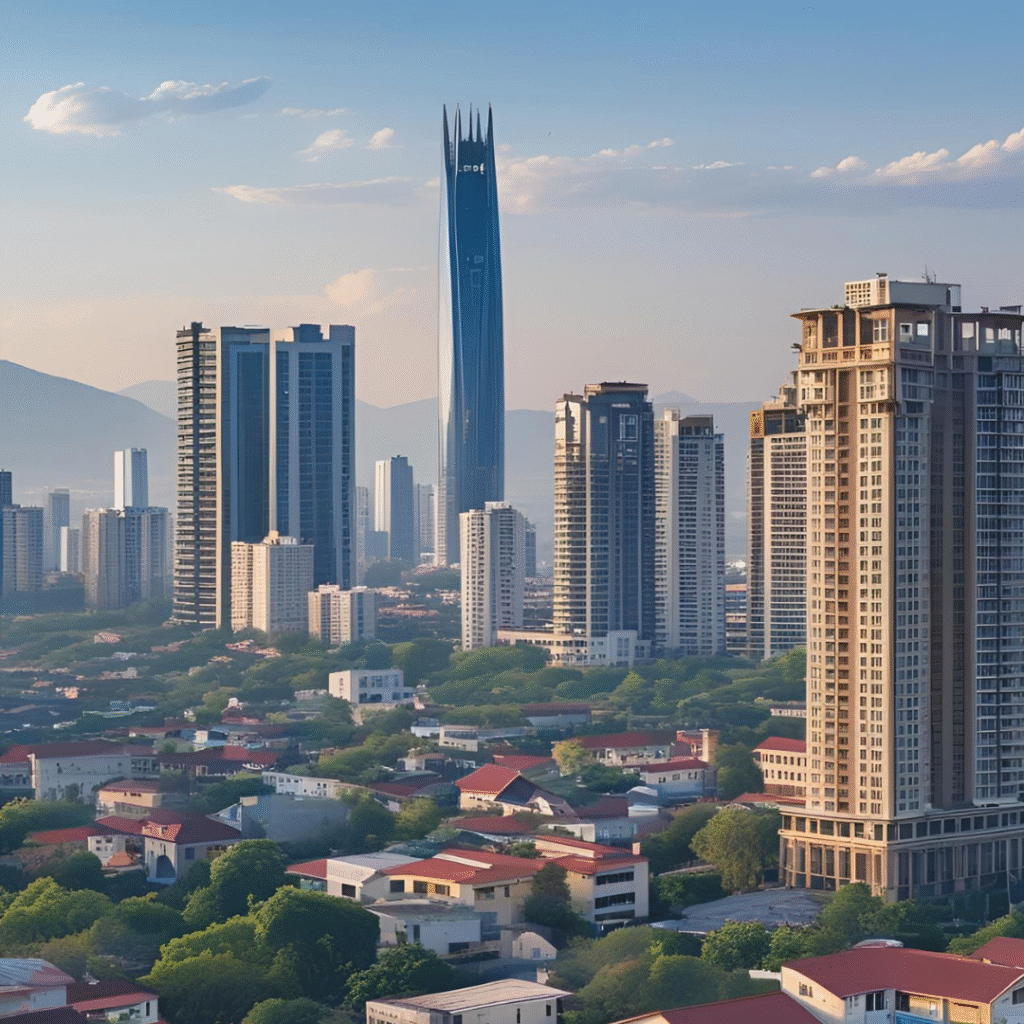
Why Tier-2 Cities Are The New Real Estate Goldmines
India’s Next Real Estate Frontier Presented by IREADA India’s real estate story is no longer limited to Mumbai’s skyscrapers or Bengaluru’s tech parks. A silent revolution is taking shape in Tier-2 cities like Lucknow, Indore, Jaipur, Coimbatore, and Vizag. Real estate activity and investor interest are steadily rising in these previously overlooked cities. A combination of accessibility, aspiration, and affordability is the driving force behind this shift.Developers and homebuyers are turning to Tier-2 cities for more realistic and rewarding opportunities as property prices rise in metro cities and infrastructure improves in smaller ones. These cities offer better quality of life, emerging employment zones, and a growing appetite for lifestyle-focused housing—all while staying within a reasonable budget.In addition, the demographic shift is actual. With the help of remote work and digital connectivity, professionals from Generation Y and Generation Z no longer need to live in big cities. They are willing to establish themselves in urban areas that provide space, tranquility, and potential. Consequently, what was once a back-up strategy has evolved into a strategic move for both developers and end users. 1.Affordable Land with a High Return on Investment When compared to metro areas land acquisition costs in Tier-2 cities are significantly lower, providing developers with higher profit margins and homebuyers with better value for their money. In the long run, these markets promise significant capital appreciation due to their growing demand and relatively low saturation. For instance, rental yields remain competitive while land rates in the outskirts of Jaipur are four to five times lower than those in Delhi NCR. 2.Government-Driven Growth Capital has been pumped into Tier-2 cities through the Smart Cities Mission, AMRUT, and urban infrastructure programs. New expressways, metro expansions, and better civic planning are making these cities more livable and investment-worthy.Real estate prospects in cities like Surat and Aurangabad are expected to improve as a result of the Delhi-Mumbai Industrial Corridor (DMIC). 3. Migration & Reverse Urbanization After the pandemic, preferences have changed. Many professionals and families are moving back to their hometowns or exploring Tier-2 cities in search of better work-life balance, lower living costs, and the flexibility of remote work. Demand in the rental, commercial, and residential sectors is being driven by this. After 2020, there has been a surge in demand for plotted developments and villas in cities like Nagpur and Kochi. 4. Startups and local economies are expanding Metros are no longer required to have industrial corridors, IT parks, or startups. Offices, co-working spaces, and commercial complexes are in high demand as Tier-2 cities become independent business centers. Indore, now a startup hotspot, has seen a 28% increase in commercial real estate absorption year-on-year. 5. Developer and Investor Interest Both national and regional developers are now actively launching premium, mid-income, and affordable housing projects in these cities. Institutional investors and funds are also betting big on long-term potential, further validating the trend.Big names like Tata, Godrej, and Mahindra Lifespaces have launched projects in Tier-2 cities recently. 6. Conclusion: The Time to Act Is Now Tier-2 cities are no longer just alternatives—they are fast becoming the real growth engines of Indian real estate. They provide strong returns at lower entry costs due to rising demand, improved infrastructure, and rising investor confidence. This is the ideal time for brokers, developers, and investors to access emerging markets and construct a portfolio that is ready for the future. Even though the cities are smaller, there are still a lot of opportunities. This is the right time for brokers, developers, and investors to take advantage of emerging markets and create a portfolio that is ready for the future. The cities may be smaller, but the opportunities are big.